


Hypersexuality Test for Porn & Sex Addiction
Do I have porn or sex addiction?
Facing the reality of your situation is no easy task, yet within the problem lies the solution. So we seek it out.
Hypersexuality and addiction are the extreme end of a behavior spectrum. Assess your symptoms in 1 minute.
Can you spare a moment for yourself?
Assessment Disclosure: This self-assessment is not a tool for diagnosing any type of health condition and does not provide any type of medical diagnosis or healthcare recommendation. We do not make any warranties concerning the completeness, reliability, and/or accuracy of the survey or its results.
Compulsive Sexual Behavior Inventory (CSBI-13)
Take your time. Ponder each of the 13 questions carefully and, most importantly, be honest with yourself.
This survey is an exercise of reflection. Consider the spectrum of behaviors below. Knowing your score, where do you see yourself on the spectrum?
Scroll the image horizontally
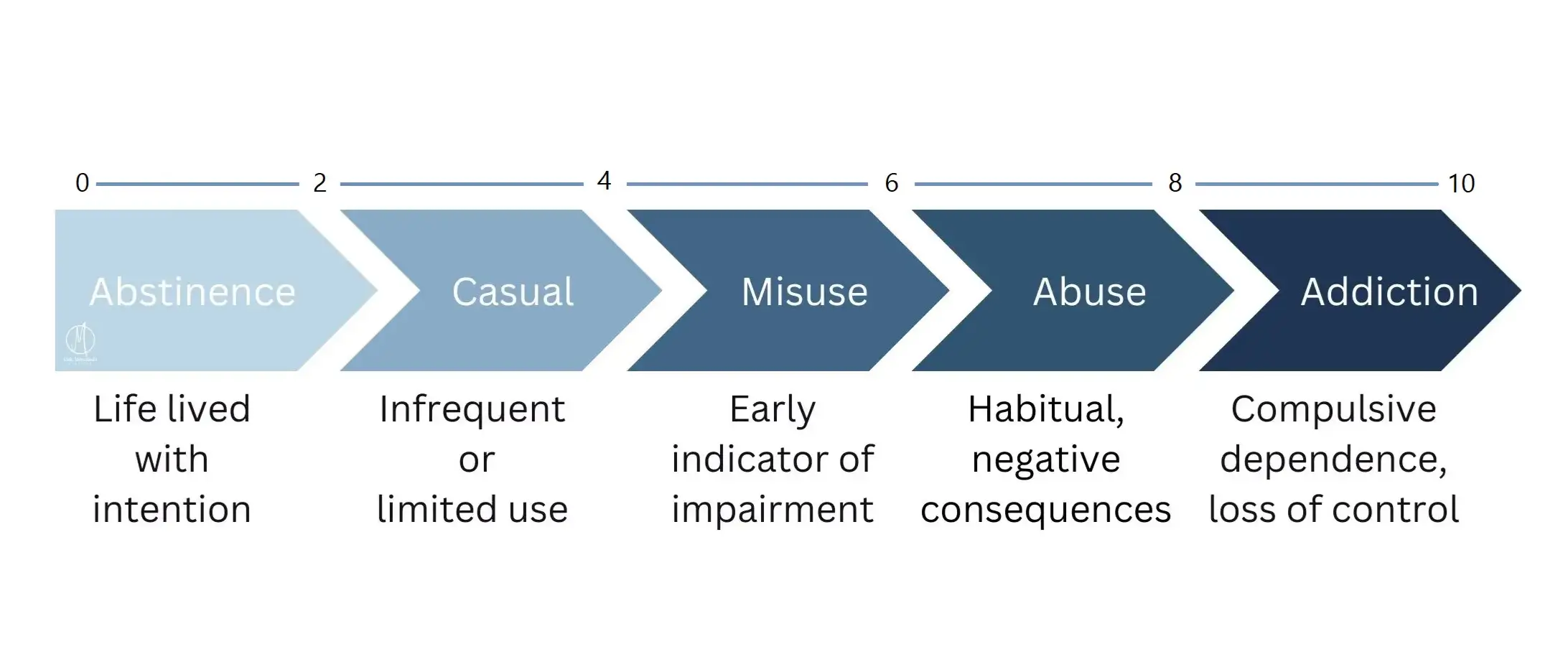
Men who struggle with sexualized obsessions often rationalize to themselves “It’s not harming anyone” or “It’s not that serious.”
Actually, these obsessions (and their consequences) get worse over time. Your score is only a snapshot of today. The spectrum also shows how your problem will progress in the future.
As with any problem, it is easier to stop the sooner it is addressed. The fact that you're here now means you're willing to consider help—even if the idea of revealing your story feels dreadful.
Generally speaking, any score above 4.2 is cause for serious concern.
It’s especially important for men to seek professional help if they are abusing or addicted to their obsessions (right side of the spectrum) because the problem has progressed beyond their ability to fix it on their own.
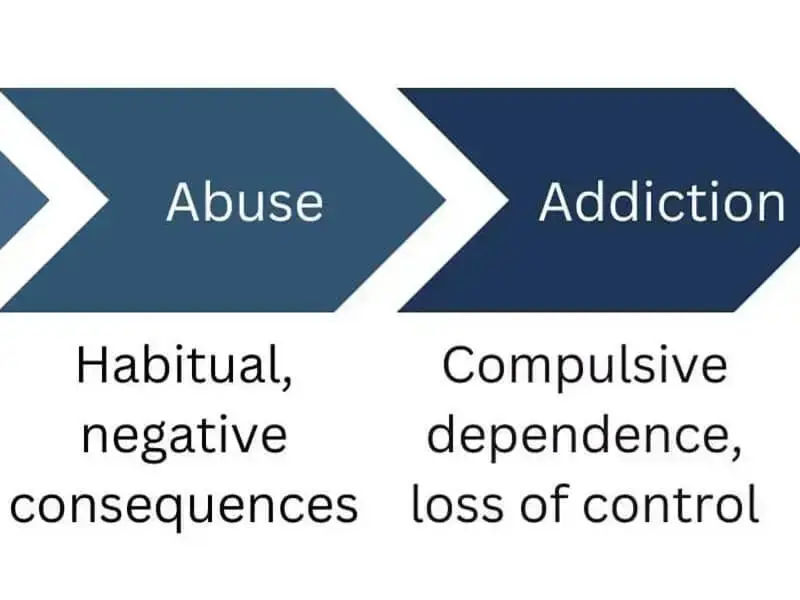
Abuse is a pattern of habitual use that has become problematic and results in harm (or pending fallout) to themselves and/or others, e.g. legal troubles, employment problems, marital woes, relational neglect, health issues, etc.
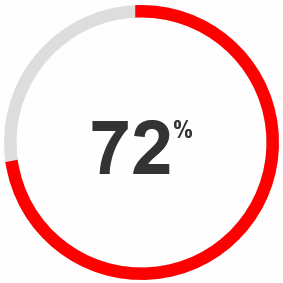
Addiction, the most serious, is repeating obsessive behaviors as an automatic response to sexualized cravings despite negative consequences (compulsivity). Even if they manage to stop for a while, the impulse will return—it's just a matter of time. They've built a tolerance like a drug and will experience withdrawal symptoms. Their lives eventually spiral out of control. Don't underestimate the threat:
Sexually compulsive men who think about suicide
Here's the key takeaway. The root of the problem is relational in nature, so attempts to stop behaviors on their own won't work. What's broken in relationship can't be fixed in isolation.
Our initial advice for men is this: try the opposite of past efforts—namely, invite help from a confidant who can empathize with your plight. It feels contrary to their gut instinct but it's often the one thing they haven't tried.
Contact Tony, our recovery coach, confidentially for professional advice.

TONY BLEVINS
Certified Porn & Sex Addiction Recovery Coach
Tony coaches men on how to quit porn and sexual addictions from his specialized training and his own lived experience of addiction and recοvery.
Coaching, not therapy.