


Mapping Cycles
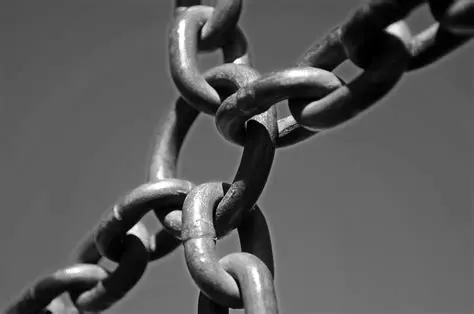
Addiction is process-oriented and it is cyclical in nature. If there is a replicating pattern, we can use this knowledge to help end it because chains can be broken.
Published: October 27, 2023
Reviewed: February 19, 2025
Addiction involves a repetitious chain of events. You may have heard your support group refer to the "ritual" leading up to a slip, for example. We can use this knowledge to our advantage because chains can be broken. This exercise helps identify patterns that keep us in addiction (or any other struggle in life).
The infograph below is a representation of my addictive cycle as I understood it in my early recovery. It is general in nature—not ritualized steps I mentioned above—but it serves well enough as an example of what to do. Also, this is how I experienced my addiction; your experience may not be the same.
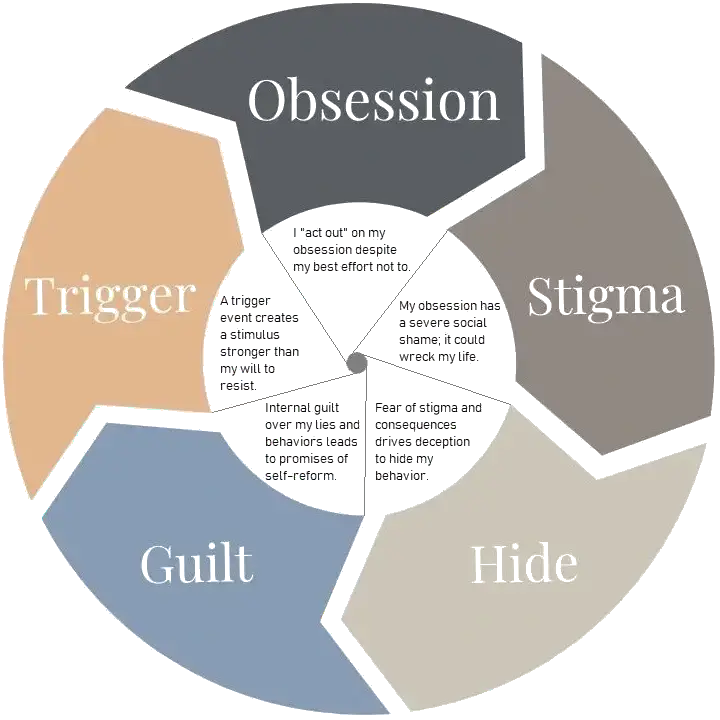
Notice I broke my addictive cycle into 5 segments: Obsession, Stigma, Hide, Guilt, Trigger. Each segment represents a significant act or state of being. The criticality and relevancy of the cycle is the connection between the segments. There must be an explanation of why one segment drives or influences the existence of the next segment.
Once the cycle is documented, the next step is to identify what it will take to "break the chain." Anyone in recovery has been taught the importance of honesty. Disclosing my obsession (rather than hiding it) breaks the sequence of events in the infograph's Hide segment. Disclosure breaks the replicating pattern by removing the guilt (or shame) which often drives the addictive cycle.
Now it's your turn to map your own cycle. You can do it on a scrap of paper. Self-examination is the most important part of this exercise. It's critical to identify the linkage (a causal relationship) that connects each event in the process to the next. There are no specific number of "segments." There only needs to be enough to show how the whole process repeats (a feedback loop).
The cycle doesn't have to be just about your addiction process; it can be about any part of your life. It's especially helpful for areas where you struggle understanding why things never seem to change.
Tony is co-founder of Oak Mountain Coaching, an online practice that helps men regain their sexual integrity from the throes of active addiction and helps their partners heal from betrayal trauma.
-

The Root Cause of Addiction
A cycle of shame at the root cause of addiction cannot be remedied with quick fixes, expert tips, or a checklist.
-

The Opposite of Addiction
Men with addiction are stuck in a cycle of compulsion and secrets. Trying to hide and fight it alone only serves to feed the addiction.
-

Greatest Fear of Recovery
Fear is a powerful force. An innate survival skill, it keeps us in loneliness by taking the choice of relationship away from others.
-

Addiction Slips vs Relapse
Slips and relapse describe falling short of sobriety in one's recovery. Let's examine what they can mean for you.
-

Three Circles Exercise
The Three Circles is a recovery exercise for sexual sobriety that defines behaviors related to a struggler's addiction.
-
How Porn Harms
Telling yourself, 'It's not hurting anyone' is wishful thinking. Research shows it affects your brain and everyone around you.
-

Why Am I Addicted to Porn?
Discover how internalized shame fuels porn addiction and identify hidden emotional patterns with our internalized shame test.
Scroll horizontally
Join our Substack
Get recovery and healing insights delivered right to your inbox.
