


Olfactory Grounding
Your sense of smell interacts with the brain's emotion processing center. We can use this to our advantage in recovery.
Published: July 18, 2024
Reviewed: March 17, 2025
Have you ever been in a situation where you smell something that catches your attention and revives a distant memory? Examples for me would be noticing the aroma of honeysuckle, freshly cut grass, or the air after a morning rain shower. Certain scents can recall very old memories for me. There's a reason why this happens to all of us and it’s the topic of discussion.
Receptors for our sight, hearing, taste, and touch all send their sensory information to a part of the brain called the thalamus—a relay station to different lobes in the cerebral cortex. Olfaction, the sense of smell, is unique. When the olfactory receptors in your nasal cavities capture a scent, the chemical information is sent directly to a part of the brain that is responsible for processing emotions—the amygdala. Isn’t that interesting? It gets better.

The amygdala does more than process emotions. It also regulates emotional responses. You are probably familiar with the fight-flight-freeze response. The amygdala manages how we react under threat or duress (yes, it’s the culprit for triggers). The amygdala receives sensory information, links it to an associated emotion, and forwards it to another part of the brain called the hippocampus.
The hippocampus converts short-term memory into long-term memory. Essentially, it arranges memory storage and retrieval. The scent and its associated emotion are stored together for long term. This is why the scent of honeysuckle today can recall a memory from my childhood. The fact that scents are experienced and re-experienced with an emotional connection is very powerful for your recovery—with potential good and bad consequences.

There's a way to use this information to our advantage. Men with addiction struggle with their own triggers: the impulse to react to sexual stimuli. This desire to “act out” must be reciprocated with grounding oneself—a term that means returning from a state of hyperarousal (acute stress) or hypoarousal (numbness). It is an intentional process; one that involves engaging the amygdala to return to a homeostatic state after being triggered by a stimulus.
Partners, too, need to practice grounding techniques for their betrayal trauma recovery. My wife has written an article specifically for them here. The amygdala, the center for threat identification and survival response, goes into overdrive from the trauma of sexual and emotional infidelity. It must be trained (re-conditioned) to stand down from constant alertness. Learning how to ground is an integral part of their healing journey.
To ground ourself, we can use our sense of smell to intentionally engage the amygdala with a new stimulus that evokes a positive memory. Remember, you have a lifetime of long-term scent memories linked to pleasurable emotions. They are re-experienced when you introduce a similar scent to your olfaction system. The retrieved emotion will help calm a triggered amygdala.
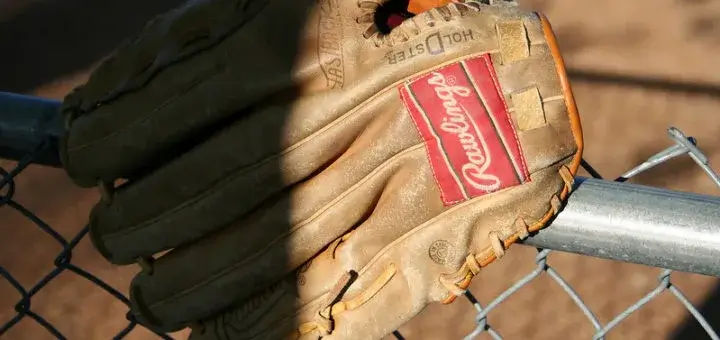
How does this happen in real situations? One trick my wife and I use is having scented candles and oils handy. In fact, she bought me a candle that smells like baseball glove leather. I have fond memories of little league baseball and my father’s hand-me-down mitt. Smelling the unlit candle wax takes me back to those happy times. Stress and anxiety melt away—two significant emotional factors in addiction. I also have a leather case for my phone. It doesn’t smell quite like a Rawlings glove, but it is still effective when I travel.
Warning: it’s very important to select scents that evoke positive memories. You may notice that your partner has no control over her trauma triggers. That’s because her nervous system is picking up on threatening sensory information and reacting accordingly. The fight-flight-freeze response is activated from negative recall, so be sure to pick scents for positive recall. They are the most effective because they can shift one's internal state.
Tony is co-founder of Oak Mountain Coaching, an online practice that helps men regain their sexual integrity from the throes of active addiction and helps their partners heal from betrayal trauma.
-

The Root Cause of Addiction
A cycle of shame at the root cause of addiction cannot be remedied with quick fixes, expert tips, or a checklist.
-

The Opposite of Addiction
Men with addiction are stuck in a cycle of compulsion and secrets. Trying to hide and fight it alone only serves to feed the addiction.
-

Greatest Fear of Recovery
Fear is a powerful force. An innate survival skill, it keeps us in loneliness by taking the choice of relationship away from others.
-

Addiction Slips vs Relapse
Slips and relapse describe falling short of sobriety in one's recovery. Let's examine what they can mean for you.
-

Three Circles Exercise
The Three Circles is a recovery exercise for sexual sobriety that defines behaviors related to a struggler's addiction.
-
How Porn Harms
Telling yourself, 'It's not hurting anyone' is wishful thinking. Research shows it affects your brain and everyone around you.
-

Why Am I Addicted to Porn?
Discover how internalized shame fuels porn addiction and identify hidden emotional patterns with our internalized shame test.
Scroll horizontally
Join our Substack
Get recovery and healing insights delivered right to your inbox.
