


The Demarcation of Contemplation
Men who struggle feel vulnerable in their core. They live a secret life to hide it at all costs.
Published: July 26, 2022
Reviewed: March 17, 2025
"The Welcome Letter"
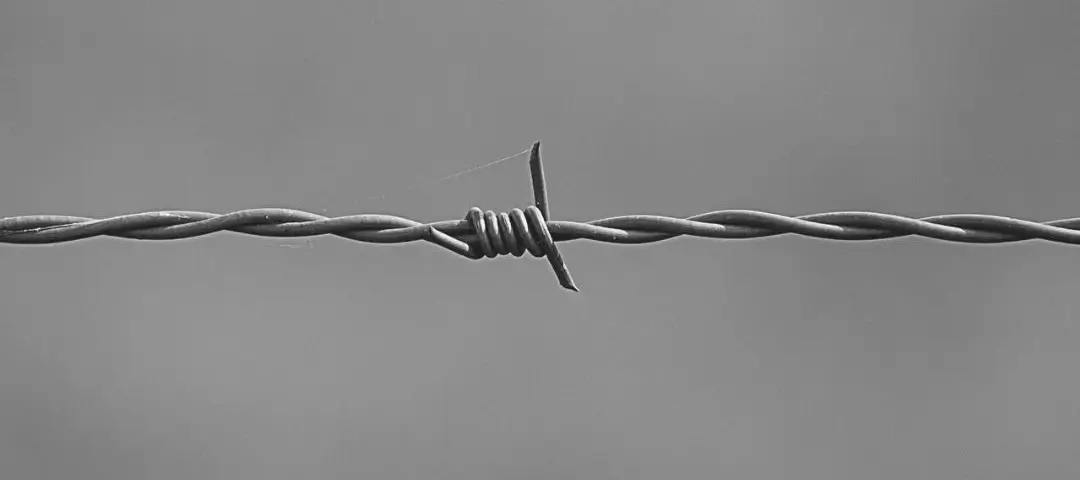
A demarcation line is a physical boundary or conceptual separation between two things. I know it as a military term. It refers to a point where a unit exceeds their supply line. Imagine a platoon venturing into enemy territory beyond support or resupply. Its demarcation is the point beyond safety; it marks being in danger, isolated, and vulnerable.
The irony with men struggling with sexual obsessions is that they already feel vulnerable in their core. They live a secret life to reduce that exposure. Revealing the secret, or having it revealed, is their point of demarcation. There is no going back once it is out. It’s a territory they dread because they can’t control the outcome. It’s beyond dangerous—it’s intolerable. They’ll hide their secret at all costs.
Men in pre-recovery generally fall into two groups.
The first group are men whose secret has been discovered
Usually by their spouse. Their carefully constructed existence is falling apart like a house of cards. Few have a plan to deal with the situation since all their efforts have been devoted to hiding their behaviors. They are lost and looking for a lifeline. That doesn’t necessarily mean they’re looking for help. They believe others can’t be trusted to meet their needs, so seeking help is a contrarian thought.
Many men seek out others only after threat from their spouse. Often, she'll do the research and tell him to make a call (or else). It's not necessarily a willful action. This wasn't part of their plans. They may participate reluctantly believing they still need to figure out how to get things back under control themselves. They are likely still trying to solve it on their own even after their secret is out. It's about damage control.
The second group is the minority
These are men who tend to be older, long-suffering with a manifested addiction, juggling their sexual obsessions with lies to keep them hidden. They are battle-fatigued and exhausted. They’ve finally capitulated to a depressive defeat, expecting that one day their fears will be realized: they’ll eventually die alone, unloved, and unwanted.
Dr. Patrick Carnes
Out of the Shadows
Sadly, some men’s souls are so depressed they will choose to take an immediate, more permanent way out. Depression is the number one risk factor for suicide. Make no mistake, this addiction is a matter of life and death. Men, don’t ever minimize or underestimate what you are up against. Suicide is not a solution.
The world is not better without you.
One common denominator in both groups
In both groups, they all tried to solve the problem on their own. These men live in a vicious secrecy-shame trap. It's an isolated, self-loathing bubble where the behaviors they hate are the only things that offer comfort. Yet, they believe they can’t seek help because they’ll be rejected and stigmatized if their secret is exposed.
They shame themselves for failing to stop the problem on their own. Their nervous system seeks relief for the internal anxiety in the one way it always has—the way it knows best—through sexually obsessive behaviors. And so the shame cycle repeats over and over, year after year. There doesn’t seem to be an escape.
But there is.
. . . the best way out is always through.
Robert Frost
A Servant to Servants
The best way out of addiction is always through. They need a new strategy, one that isn't fought alone! They need help from fellow men who...
- Have walked a similar path
- Can empathize with their situation
- Will hold their story in trust
- Will never shame them
- Can guide them along the way
You've already breached your demarcation line
If any of this has resonated with you, it's time to be honest with yourself. You need to reflect on where you are at the start of your recovery journey. You’ve already begun your journey because you are reading this article. Recovery doesn't begin based on acceptance, capitulation, or discovery. The start isn’t measured by willingness or motivation. It has begun because you took action to read something that is part of a healthy, hopeful journey.
More than 1 in 10 men admit to having compulsive sexual behaviors.
It can be a terrifying prospect. You've never known a life you couldn't try to control, and now you're venturing into uncharted waters. Rest assured, you are not alone. You certainly shouldn't try to do this alone (again). All your prior attempts to solve the problem on your own have failed because going it alone actually makes the problem worse. That may not make sense right now, but it will later.
It's not unusual to feel lost in early recovery. There are many questions and few answers. You're blazing a new path and not sure of what to do. That's why you need help. It's okay to ask for help. It's a sign of wisdom and courage. One mantra in the recovery community reminds us not to try to be perfect or even try to have all the answers, but we can do the next right thing.
The other side of demarcation is where recovery begins. You’ve already crossed over. Do the next right thing.
Tony is co-founder of Oak Mountain Coaching, an online practice that helps men regain their sexual integrity from the throes of active addiction and helps their partners heal from betrayal trauma.
-
The Root Cause of Addiction
A cycle of shame at the root cause of addiction cannot be remedied with quick fixes, expert tips, or a checklist.
-

The Opposite of Addiction
Men with addiction are stuck in a cycle of compulsion and secrets. Trying to hide and fight it alone only serves to feed the addiction.
-

Greatest Fear of Recovery
Fear is a powerful force. An innate survival skill, it keeps us in loneliness by taking the choice of relationship away from others.
-

Addiction Slips vs Relapse
Slips and relapse describe falling short of sobriety in one's recovery. Let's examine what they can mean for you.
-

Three Circles Exercise
The Three Circles is a recovery exercise for sexual sobriety that defines behaviors related to a struggler's addiction.
-

Why am I Addicted to Porn?
Dr. Gabor Maté explains, 'The addiction wasn't your problem. Your addiction was your attempt to solve a problem.'
-
How Porn Harms
Telling yourself, 'It's not hurting anyone' is wishful thinking. Research shows it affects your brain and everyone around you.
Scroll horizontally
Join our Substack
Get recovery and healing insights delivered right to your inbox.
