


My Journey to Healing from Betrayal Trauma
We are biologically wired to connect with other humans. We can sustain the most emotional harm and most profound healing through this attachment.
Published: October 22, 2022
Reviewed: February 19, 2025
We are biologically wired to connect with another human being. It is an innate survival need. When we were children, we formed an attachment to our primary caregiver. When we became adults, we attached to our significant other. It is through these attachments that we can sustain the most substantial emotional harm and the most profound healing.
People develop negative core beliefs when they grow up in homes where their primary attachment figures are not emotionally or physically available. Those beliefs typically leave a child feeling that they are not good enough, or that they are going to be abandoned.
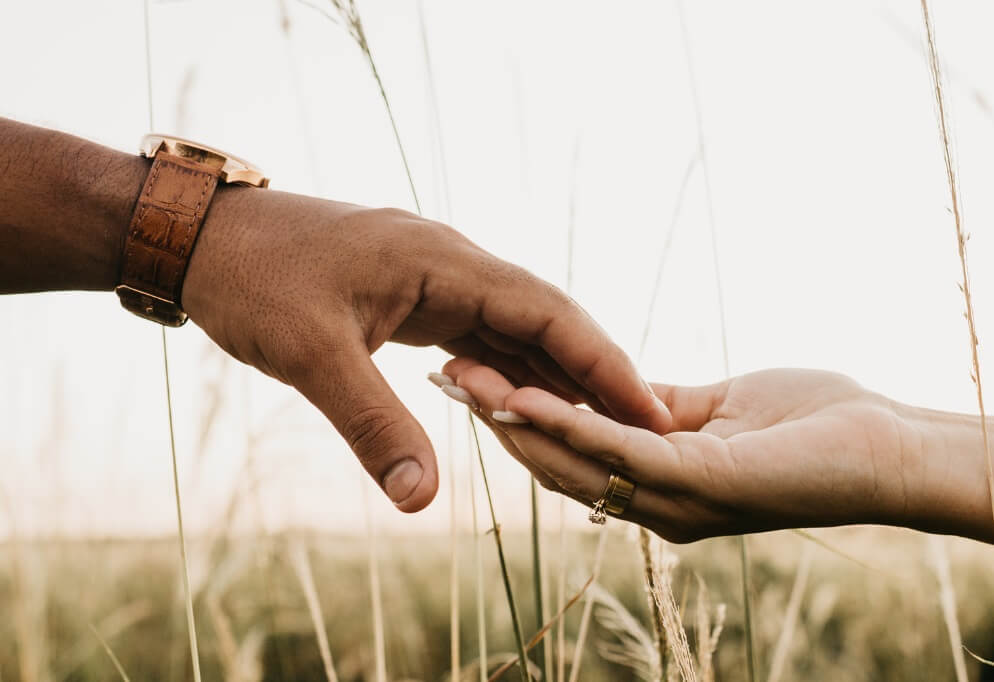
My childhood experiences taught me that I wasn’t worthy of being known or loved fully for who I was. My core beliefs became cyclical: I believed my inadequacies would eventually lead to my abandonment. Ultimately, I believed that I would be the reason my husband abandoned me. And he did, repeatedly.
Abandonment comes in many forms. My husband was by my side every night. He was by my side through the hardest times in my life. He held my hand as I buried both of my parents. He was always physically present when I needed him. But he was also emotionally vacant. What I didn’t know at the time was that he was dealing with his own cycle of anxieties and negative core beliefs.
The ways in which we cope with our negative core beliefs are essentially destructive. They look something like this: We blame ourselves. We blame others. We learn to numb our pain. We can become addicted to substances or behaviors. We people-please or become fixers. When our developmental years lack attunement and we are not taught how to deal with our feelings, we find ways to cover them and avoid them.
I subconsciously took the socially acceptable way to cope with my feelings of unworthiness. I was the devoted wife, mom, friend, and daughter. I was the employee-of-the-year and PTA mom. I worked hard and had no enemies. I was a friend to everyone. I had no boundaries and never said “no” to anything. I also had no idea what I really liked or who I really was.
My husband’s coping took a different path. He emotionally withdrew, became a workaholic, and turned to porn. In his own cycle of anxiety and porn (as a relief), he gradually built a tolerance for his drug of choice (porn). He needed more and more of the drug for the same dopamine “hits” in his brain. The deeper he went into his addiction, the more controlling, angry, and withdrawn he became.
Can you imagine what I did in these moments? If you guessed that I tried harder or tried to fix whatever it was that I could sense was wrong, you got it spot on. Occasionally I would get the courage to face my fears and I would confront him about his excessive computer use. But like all men with addiction who protect their drug of choice, he would lie, deflect, and blame me for being insecure.
The psychological term for this is called conditioning. I was conditioned to not ask about his behaviors. This happens gradually. When I would ask my therapist how I allowed this, she’d respond, “If he would have behaved this way on your wedding day, would you have stayed married to him?” No, hell no. But like the infamous frog in the pot, partners build a tolerance for the neglect and emotional abuse they sustain while being in a relationship with them.
One day, I decided to confront him again. He admitted to not only watching porn but to having what he suspected was an addiction to porn. My world was shattered; biggest fears realized, I was inadequate, and I had truly had been abandoned.
Where do you go from that? How did I get here? How can I survive this? My nervous system took over and I was completely at its mercy. I was constantly shaking, unable to sleep or eat. I was depressed, hyper-vigilant, disassociated, and every breath that I took caused pain. I was always afraid. I felt like a failure as a wife. I felt like I was going crazy and that everything was out of control. I was lost.
If you’re there, or if you have been there, please know that you are not alone. You are not crazy. Betrayal trauma can be crippling, but there is hope. I promise you there is hope. Don’t give up, don’t give in. Whether you choose to continue in your relationship or not, please use a professional trained in partner betrayal trauma like myself who can help you heal. Your significant other will also need a professional, like my husband Tony, who is trained in sex addiction recovery.
Healing is hard work and it takes time, but it is worth it. Our relationship has never been better. We have made it our mission to help others in the struggle. We are here to help him find freedom from his addiction and help you with the betrayal trauma it causes.
Rebecca is co-founder of Oak Mountain Coaching, an online practice that helps men regain their sexual integrity from the throes of active addiction and helps their partners heal from betrayal trauma.
-
How Did I Get Here?
Here, being the surreal vortex of pain, confusion, anger, and fear. Discovering betrayal can cripple your nervous system.
-
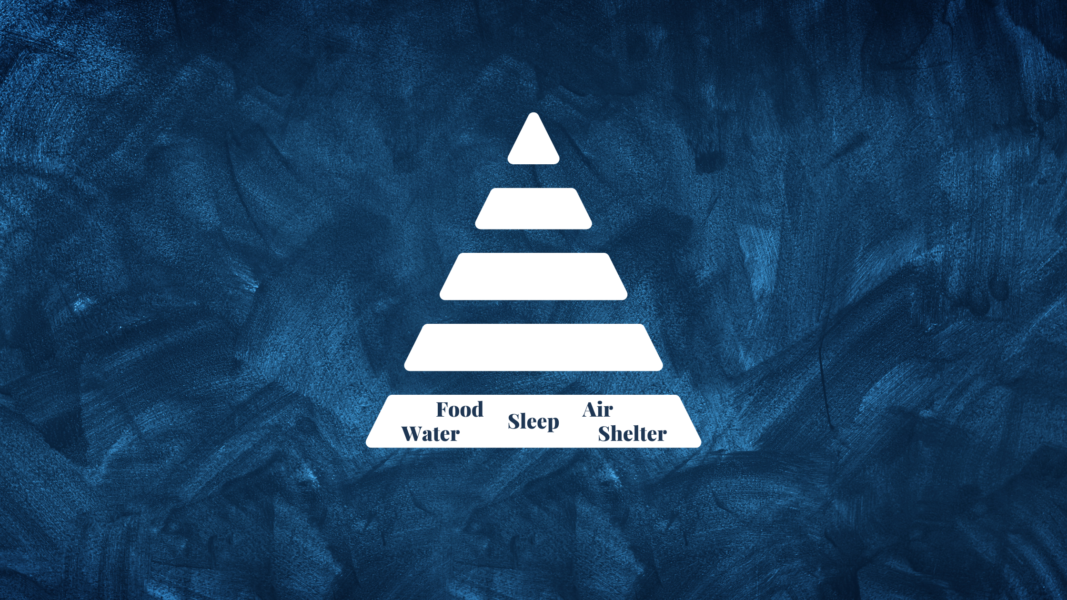
Taking Care of Basic Needs
For healing to begin, we start with base physiological needs. Easier said than done when we can't stop shaking or eat food.
-

Finding Safe Foods
When in survival mode, our nervous system redirects most of the body’s energy to systems that keep us alive.
-

Trouble Sleeping?
Sleep can be difficult to find in the early days of partner betrayal trauma. It's challenging to calm your mind and quiet thoughts.
-

Importance of Grounding
Learning how to ground is an early important lesson for anyone with a dysregulated nervous system.
-
Why Wasn't I Enough?
Because it isn't about you, just like it wasn't about me. I still want to scream when I hear those words 'it's not about you'.
-
My Journey to Healing
We're wired to connect with other humans. We can sustain the most harm and most profound healing through this attachment.
Scroll horizontally
Join our Substack
Get recovery and healing insights delivered right to your inbox.
